Category: 読みもの

  • 琉球菓子のいろいろ ― 王家のお菓子と、暮らしのお菓子

    Ryukyuan Sweets: Royal Sweets and Everyday Sweets

    Okinawa’s traditional sweets fall broadly into two groups: “royal sweets,” used by the royal court of the Ryukyu Kingdom to entertain envoys from China and for ceremonies, and “everyday sweets,” long loved in people’s daily lives. Here are some of them, based on “Okinawa’s Local Sweets” by the Agriculture and Livestock Industries Corporation (alic).

    Royal sweets, made to entertain envoys

    Envoys called sappo-shi came from China to the Ryukyu Kingdom to appoint each new king. A mission numbered 400 to 500 people and stayed for about half a year. To entertain them, the royal cooks learned cooking and confectionery techniques from the Chinese cooks and confectioners who accompanied the mission. According to alic, cooks were also sent along with missions to Edo and Satsuma to learn Japanese cooking and sweets.

    • Chinsuko: Said to have originated from a Chinese sweet that a royal cook learned in the 19th century to entertain the envoys. After the Meiji era, his family began selling it, and it came to be widely eaten.
    • Kunpen: A baked sweet with a filling of sesame and peanut butter wrapped in a dough of egg yolk, sugar and flour. It was used to entertain envoys and at memorial services, and is also offered at the Obon festival.
    • Hanaboru: A baked sweet said to have Portuguese roots. Flower patterns are cut into the dough, and each one is made by hand.
    • Togazuke: Winter melon simmered in sugar for a long time. It is said to have come from Fujian in China about 300 years ago.

    Chinsuko was registered as a GI product in 2024

    On August 27, 2024, chinsuko was registered as No. 155 under Japan’s Geographical Indication (GI) system by the Ministry of Agriculture, Forestry and Fisheries. The ministry’s page explains that its roots go back to the Ryukyu Kingdom, and that it was created based on a uniquely Ryukyuan sweet made inside Shuri Castle. It is characterized by a crisp texture that melts in the mouth, and the use of lard gives it richness and depth.

    Everyday sweets, together with seasonal events

    Okinawa is a sugarcane-growing region, and there are still eight factories making brown sugar (kokuto) in the prefecture. Because kokuto is so close at hand, alic writes, there are many sweets that use it.

    • Chinbin: A thin crepe of flour and kokuto dissolved in water, baked and rolled. It was customary to offer it at the family altar on Yukkanuhii, the 4th day of the 5th lunar month, wishing for children’s growth and health.
    • Muuchii: Rice cakes flavored with kokuto or sugar, wrapped in shell ginger (getto) leaves and steamed. They are offered on Muuchii Day, the 8th day of the 12th lunar month, to pray for children’s health and ward off misfortune.
    • Fuchagi: Oval rice cakes coated with boiled azuki beans. The white rice cake is said to represent the moon and the beans the stars; they are offered at the harvest moon (15th day of the 8th lunar month) to wish for the family’s health.
    • Tannafakuru: A fluffy baked sweet made of kokuto, flour and eggs. It is said to have been eaten among ordinary people as a substitute for the royal kunpen.

    Sata andagi is also introduced as one of these “everyday sweets.” I wrote about it as a celebration sweet in Sata andagi, a sweet for celebrations.

    Summary

    • Okinawa’s traditional sweets can be divided into royal sweets and everyday sweets
    • Royal sweets were born from techniques learned to entertain envoys from China
    • Chinsuko was registered as a Geographical Indication (GI) product in August 2024
    • Many everyday sweets use kokuto and are tied to seasonal events and wishes

    We want to make Ryukoudo’s sata andagi with care, within this tradition of everyday sweets. Details such as price, contents and ingredients will be announced when sales begin. We will announce the start of sales on Instagram (@ryukoudo).

    References: Agriculture and Livestock Industries Corporation (alic), “Okinawa’s Local Sweets” / Ministry of Agriculture, Forestry and Fisheries, “GI registered product: Chinsuko (No. 155)”
  • 沖縄の生年祝い「トゥシビー」と、97歳の「カジマヤー」

    Tushibi, Okinawa's Birth-Year Celebration, and Kajimaya at 97

    Okinawa has a celebration called Tushibi (birth-year celebration). It is held in the year when your own zodiac sign comes around again, to wish for your health and happiness. The celebration for a 97-year-old in particular is called Kajimaya, and the whole community celebrates it in a big way.

    Tushibi: a celebration for the year your zodiac sign returns

    The Chinese zodiac goes around once every 12 years, so your own zodiac year comes back when you turn 13, 25, 37, 49, 61, 73, 85 and 97 (counting in the traditional Japanese way). According to a local history newsletter from the Ginowan City Board of Education, Tushibi is held in the first month of the lunar calendar in the year your zodiac sign returns, to pray for your health and happiness.

    Teaching material on Okinawa from the University of Hawaiʻi at Mānoa explains that the celebration usually falls on the day of your zodiac sign after the lunar New Year (the day of the Rooster if you were born in a Rooster year). Since your birth year was originally regarded as an unlucky year, people celebrate it cheerfully as a way of warding off bad luck.

    Age 88: Tookachi

    Age 88, celebrated as beiju in mainland Japan, is called Tookachi in Okinawa and is celebrated on the 8th day of the 8th lunar month. According to the same material, this celebration came to Okinawa as a new custom in the 17th century.

    Tookachi is the local word for tokaki, a strickle: the stick used to level grain heaped in a wooden measuring box at the height of its rim. For the celebration, many strickles wrapped in red paper are set up as decorations, and in some places one is given to each guest.

    Age 97: Kajimaya

    The celebration for a 97-year-old is Kajimaya, held on the 7th day of the 9th lunar month. Kajimaya means pinwheel. The teaching material explains that it carries the meaning that life turns like a pinwheel, and at 97 a person returns to the heart of a child.

    Kajimaya is celebrated not only by relatives but by the whole town or village. The 97-year-old, wearing a red vest, holds a large pinwheel and rides through the neighborhood in an open car, receiving everyone’s blessings. The Ryukyu Shimpo newspaper also notes that Tookachi and Kajimaya are celebrated more grandly than an ordinary Tushibi.

    Celebrating together: joint birth-year celebrations

    A family holding a Tushibi prepares a great deal of food, and relatives and guests bring gifts of money. According to the Ginowan newsletter, to ease this burden, people began after the war to gather everyone celebrating Tushibi that year at a community hall for a joint celebration. In the Ginowan district, it started at the request of the local women’s association.

    Today, the people celebrating Tushibi are invited to the community hall together with residents over 80 for a respect-for-the-aged gathering, with dance performances.

    Celebration days and sweets

    Every 12 years, when your birth year comes around, your family and community wish for your health. At 97, the whole town celebrates with pinwheels. Okinawa has customs like these, in which people rejoice together at growing older.

    As I wrote in Sata andagi, a sweet for celebrations, sata andagi is also a celebratory sweet served at occasions such as betrothal ceremonies. We would be happy if Ryukoudo’s sata andagi could be part of someone’s milestone day.

    Summary

    • Tushibi is a celebration for the year your zodiac sign returns (ages 13, 25, 37 … 97 in traditional counting)
    • Age 88 is Tookachi (8th day of the 8th lunar month), and age 97 is Kajimaya (7th day of the 9th lunar month)
    • Kajimaya means pinwheel, and the whole community celebrates it
    • After the war, joint celebrations at community halls also spread

    Details such as price, contents and ingredients will be announced when sales begin. We will announce the start of sales on Instagram (@ryukoudo).

    References: Ginowan City Board of Education, Cultural Affairs Division, local history newsletter “Gači-majaa” No. 11 (2007) / University of Hawaiʻi at Mānoa, “Annual Events and Festivals of Okinawa” (Lesson 6) / Ryukyu Shimpo, “What is Tushibi?” (Chimudondon keyword series)

  • 「ぬちぐすい」は、命の薬という言葉

    Nuchigusui, the Okinawan Word for "Medicine for Life"

    Okinawa has a word, nuchigusui. Nuchi means life, and gusui means medicine. Together, they mean “medicine for life.”

    Food as “medicine for life”

    A page by Okinawa Prefecture on the island’s wild mountain vegetables explains that in Okinawa, food and cooking have long been called nuchigusui, medicine for life.

    Food that is good for the body is also sometimes called kusuimun, “something that becomes medicine.” According to material from the Okinawa travel site OKINAWA STORY, these words rest on the idea that food and medicine share the same source, a concept that came from China: eating good food with enjoyment leads to good health.

    A book for the king’s table

    In the days of the Ryukyu Kingdom, Tokashiki Tsukan compiled a book called Gozen Honzo. According to the University of the Ryukyus Library, it describes the properties of foods served at the king’s table, along with combinations that should not be eaten together.

    Thinking of eating and caring for the body as one: that wisdom still lives on in the words nuchigusui and kusuimun.

    What Ryukoudo values

    Ryukoudo’s sata andagi brings together a treat learned on Miyakojima with the bounty of Yamagata. Local ingredients, made with care, made delicious, so that whoever eats them can pause and breathe out. The word nuchigusui seems to hold exactly what we hope to offer.

    When we are ready to start selling, we will let you know here and on Instagram (@ryukoudo).

    Sources: Okinawa Prefecture, “Mountain Blessings: Okinawa’s Wild Vegetables” / OKINAWA STORY Educational Travel, “Okinawan Food” / Serai.jp, “Okinawa Nuchigusui Journey” series / University of the Ryukyus Library, “Gozen Honzo”

  • サーターアンダギーは、お祝いのお菓子

    Sata Andagi, a Sweet for Celebrations

    Sata andagi is an everyday snack made in Okinawan homes.
    It is also a festive sweet, served at celebrations.

    A sweet for celebrations and ceremonies

    Our Regional Cuisines, a site by Japan’s Ministry of Agriculture, Forestry and Fisheries, explains that many Ryukyuan sweets are fried or baked so they keep well, and that they are essential at celebrations, ceremonies, plus other events.
    Among them, sata andagi is eaten as a homemade snack, yet it is also served as a traditional Ryukyuan sweet at important events. It is the most popular sweet in Okinawa.

    The Ryukyu Shimpo newspaper also describes sata andagi as a sweet that is both familiar to Okinawans and festive, still used today as a sweet for yuino, the engagement ceremony.

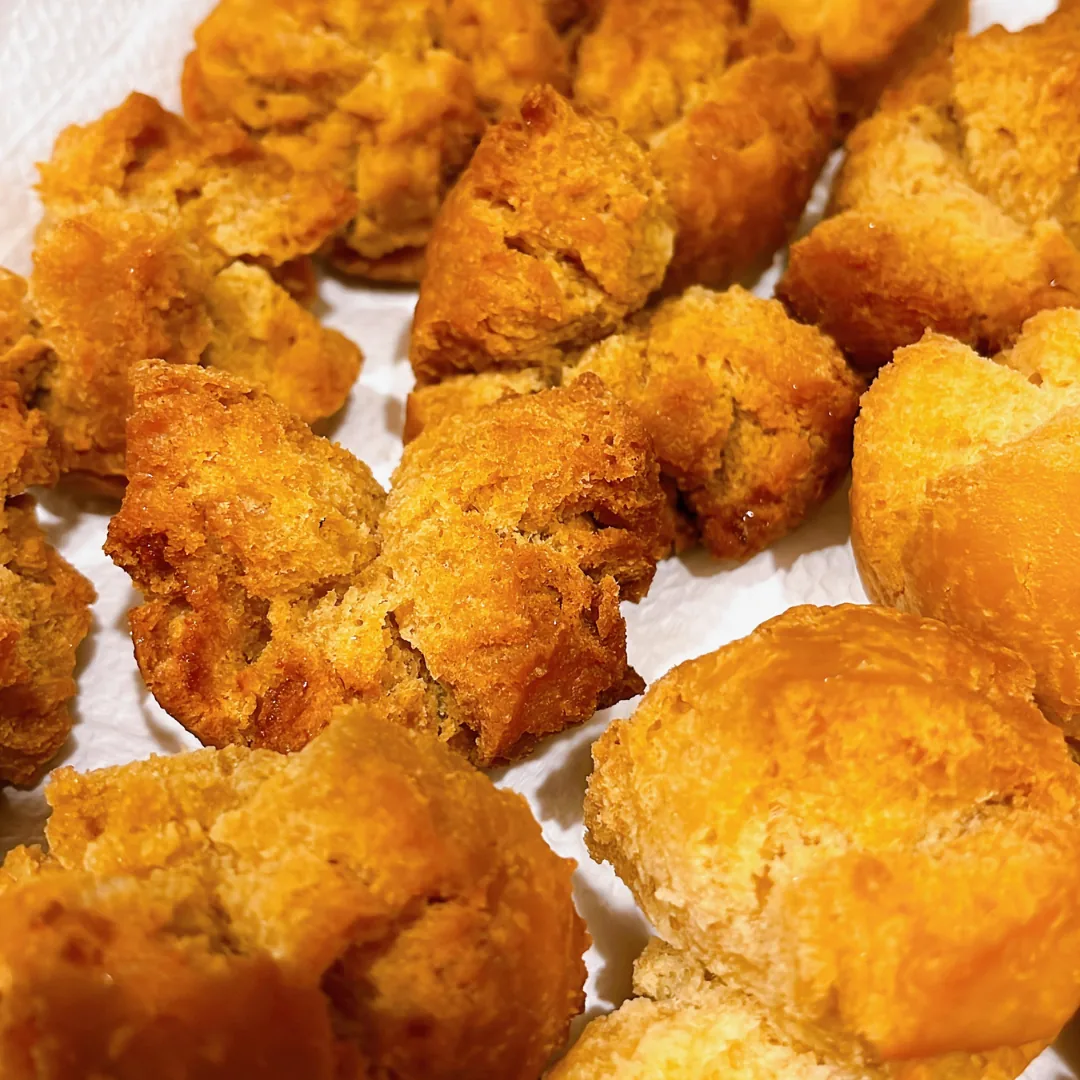
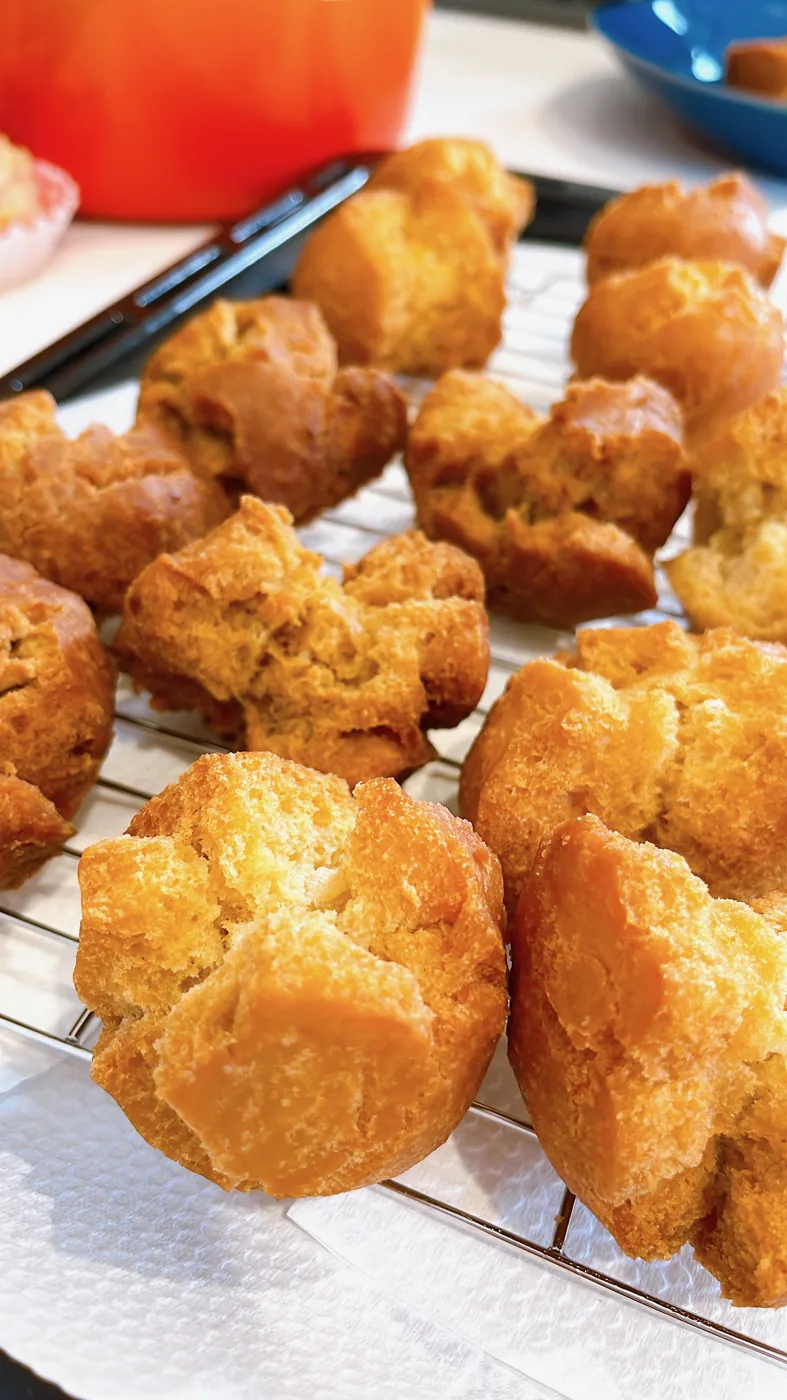
    One side splits open, like a flower

    When sata andagi is fried, one side of the dough splits open.
    The ministry page compares the shape to a tulip in bloom.

    According to the Ryukyu Shimpo, a sata andagi that splits on one side, like a peach, is considered well made.
    It puffs up round, then bursts open. That shape feels right for a celebration, too.

    Similar to the Chinese sweet kaikoushou

    The ministry page says sata andagi is thought to have come from China, and resembles Chinese sweets known in Japanese as kaikoushou or kaikoukyuu.
    The characters of kaikoushou can be read as opening one’s mouth to laugh. Set beside the split, open shape, it is a cheerful name.

    The andagi family

    Andagi means a batter, like tempura batter, fried in oil.
    The ministry page also mentions nmukuji andagi, made with sweet potato or purple sweet potato, plus shiro andagi, made without sugar.
    I wrote about sata meaning sugar in Okinawan kokuto is made on eight islands.

    Summary

    • Sata andagi is both a homemade snack and a sweet for celebrations
    • It is still used as a sweet for engagement ceremonies
    • When fried, one side splits open into a shape like a blooming flower

    We hope Ryukoudo sata andagi can be a sweet that quietly joins your happy days and celebrations.

    I wrote about the Okinawan custom of celebrating growing older with family and community in Tushibi, Okinawa’s birth-year celebration, and Kajimaya at 97.

    Details such as price, contents, plus ingredients will be announced when sales begin.
    We will announce the start of sales on Instagram (@ryukoudo).

    References: Ministry of Agriculture, Forestry and Fisheries, Our Regional Cuisines, Sata andagi, Okinawa / Ryukyu Shimpo, Chimudondon episode 31: sata andagi, a festive sweet (keyword guide to the morning drama Chimudondon)

  • 沖縄の黒糖は、8つの島でつくられています

    Okinawan Kokuto Is Made on Eight Islands

    At Ryukoudo, we are planning two flavors: our basic plain flavor, plus kokuto, Okinawan brown sugar.
    This post is about that kokuto.

    Okinawan kokuto is made on eight islands

    You might imagine that kokuto is made all over Okinawa.
    In fact, only eight islands in Okinawa Prefecture make it today.

    • Iheya Island
    • Ie Island
    • Aguni Island
    • Tarama Island
    • Kohama Island
    • Iriomote Island
    • Hateruma Island
    • Yonaguni Island

    The Okinawa Prefecture Brown Sugar Cooperative says, “These eight islands are where kokuto is made in Okinawa today.”
    All of them lie away from the main island.

    Pressed, boiled down, and cooled

    Kokuto is made very simply.
    According to the cooperative, the juice pressed from sugarcane is boiled down as it is until it thickens, then cooled and set without further processing.

    Because the whole juice of the cane is used, kokuto contains plenty of minerals such as potassium, calcium and iron in addition to sugar, and it has a distinctive aroma.

    A different taste on each island

    Even though it is all kokuto, the color, texture and taste differ from island to island.
    The cooperative gives two reasons.

    • The sugarcane varieties are chosen to suit each island’s soil and conditions such as typhoons
    • Each island’s sugar mill makes it in a slightly different way

    Hoshino Resorts’ Iriomote Hotel describes the character of each island’s kokuto.
    Ie Island kokuto has a salty note, Hateruma Island kokuto has a crunchy texture, and Iriomote Island kokuto has deep richness and mellow sweetness.
    Tasting them side by side sounds like fun.

    “Sata” means sugar

    The “sata” in sata andagi means sugar in the Okinawan language.
    Sugar is so important to these sweets that it gives them their name.

    When the aroma and richness of kokuto go into the dough, the flavor becomes gentle yet deep, different from the plain version.
    We would be happy to share, from Yamagata, the taste of kokuto that island people have grown and made with such care.

    Details such as price, quantity and ingredients will be announced when sales begin.
    We will share the launch news on Instagram (@ryukoudo).

    Sources: Okinawa Prefecture Brown Sugar Cooperative, report on the “Okinawa Kokuto Area” at HY SKY Fes (published on Mynavi Agri); Hoshino Resorts Iriomote Hotel, announcement of its “Kokuto Stay” plan (published on Ryukyu Shimpo)

  • 「琉紅堂」という名前のこと

    About the name "Ryukoudo"

    Ryukoudo is read "ryu-ko-do."
    The name carries my feelings for two places.

    "Ryu" is the "Ryu" of Ryukyu

    Ryukoudo's sata andagi is a sweet I learned to make on Miyako Island.
    It was a local friend and her mother who taught me how.

    I want to cherish a taste that Okinawa has loved for a long time.
    That wish lives in the single character "Ryu."

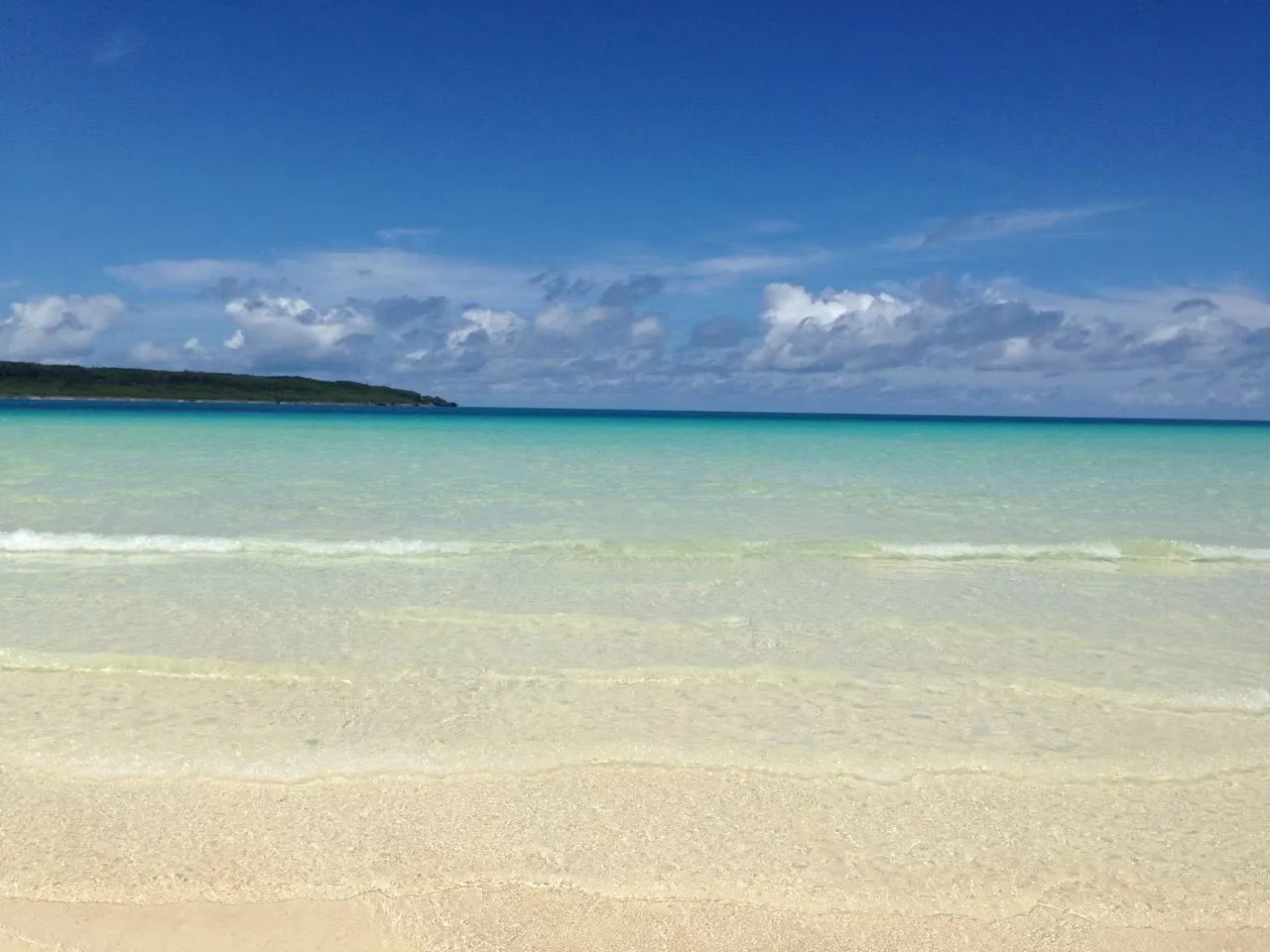
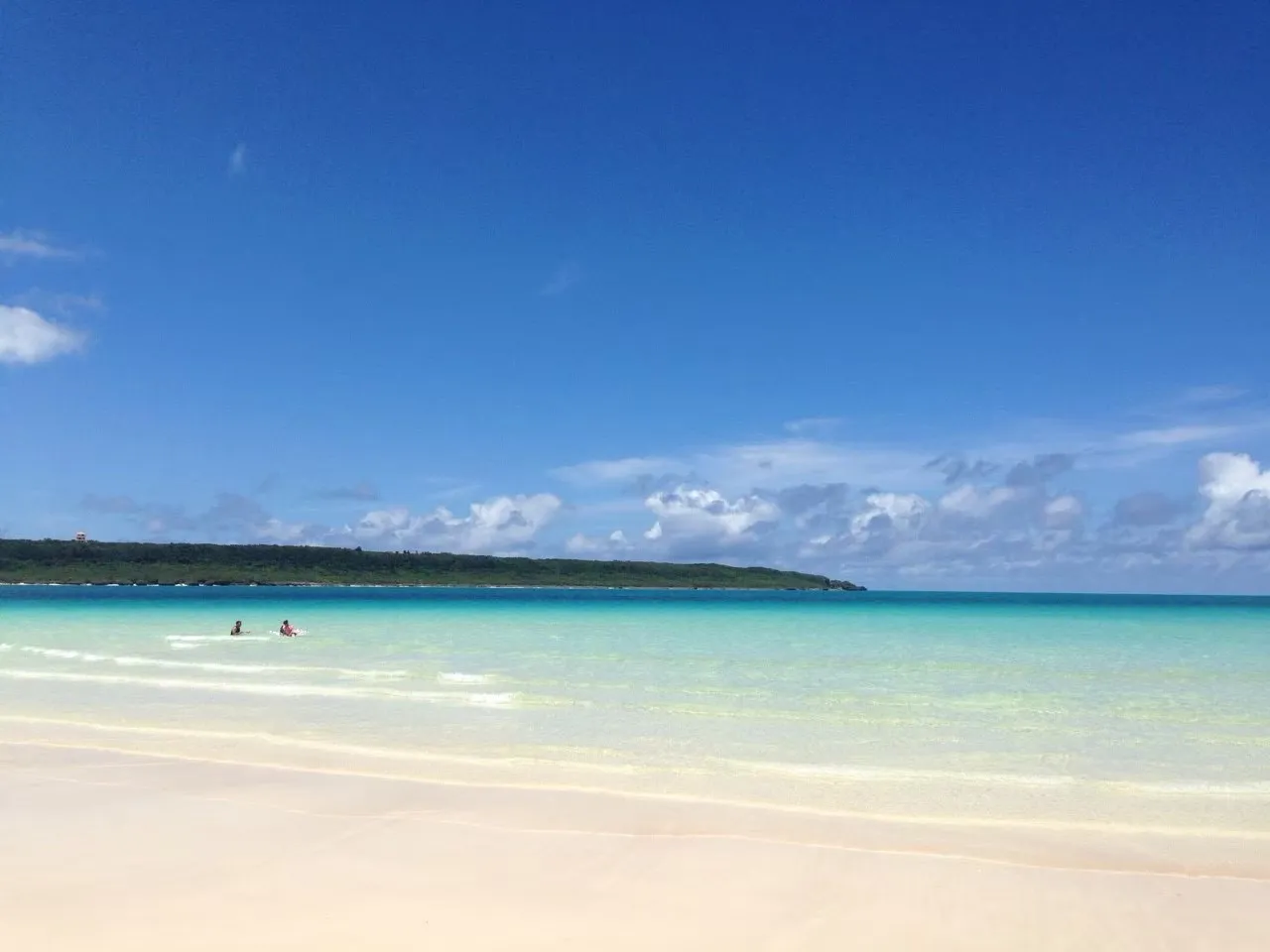
    宮古島の海辺
    Miyakojima

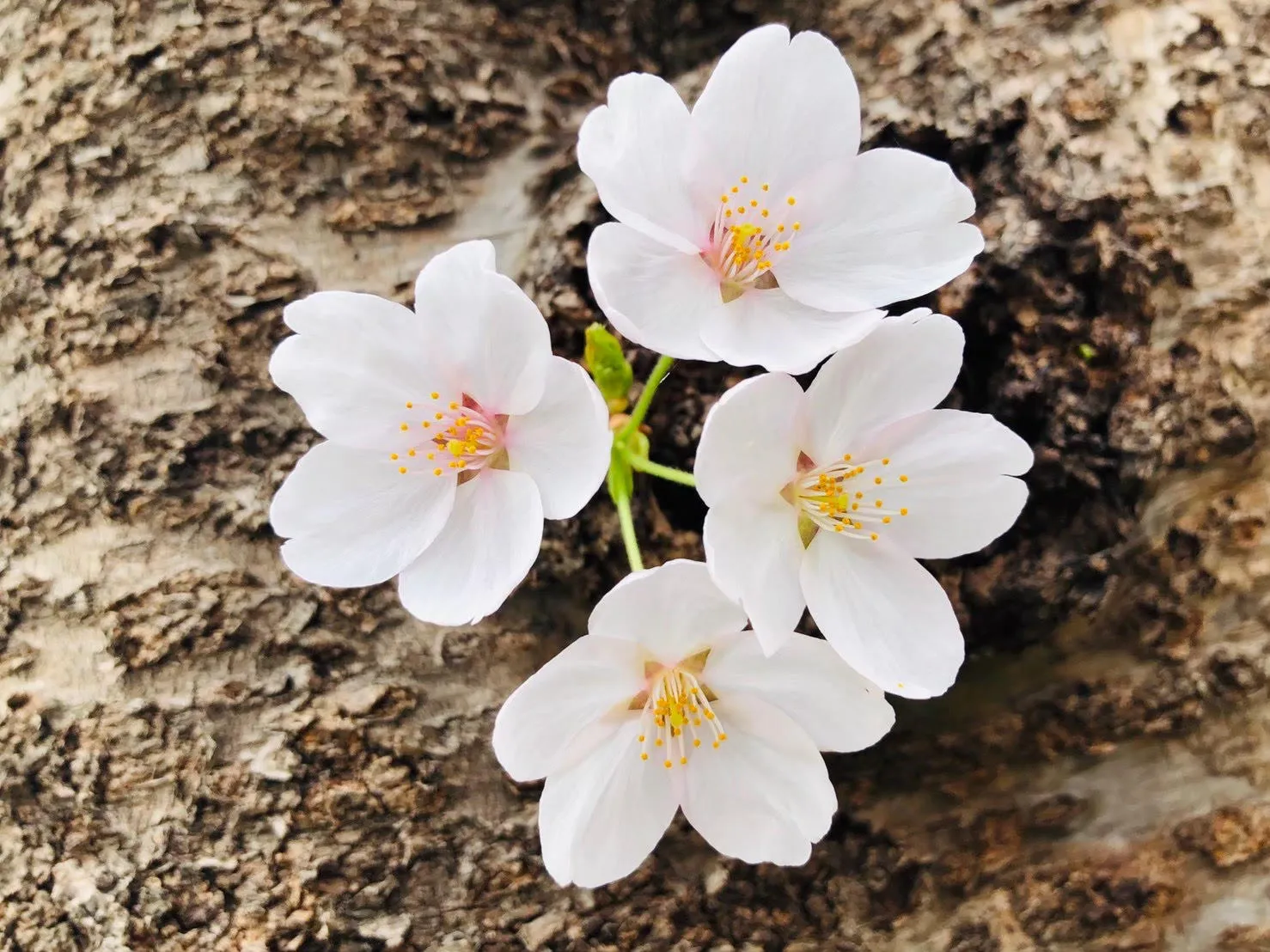
    "Ko" is the "Ko" (red) of Yamagata's safflowers

    I was born and raised in Yamagata.
    I want to make this taste with Yamagata's rich ingredients.
    So I took the character "Ko" from the safflower, the flower that represents Yamagata.

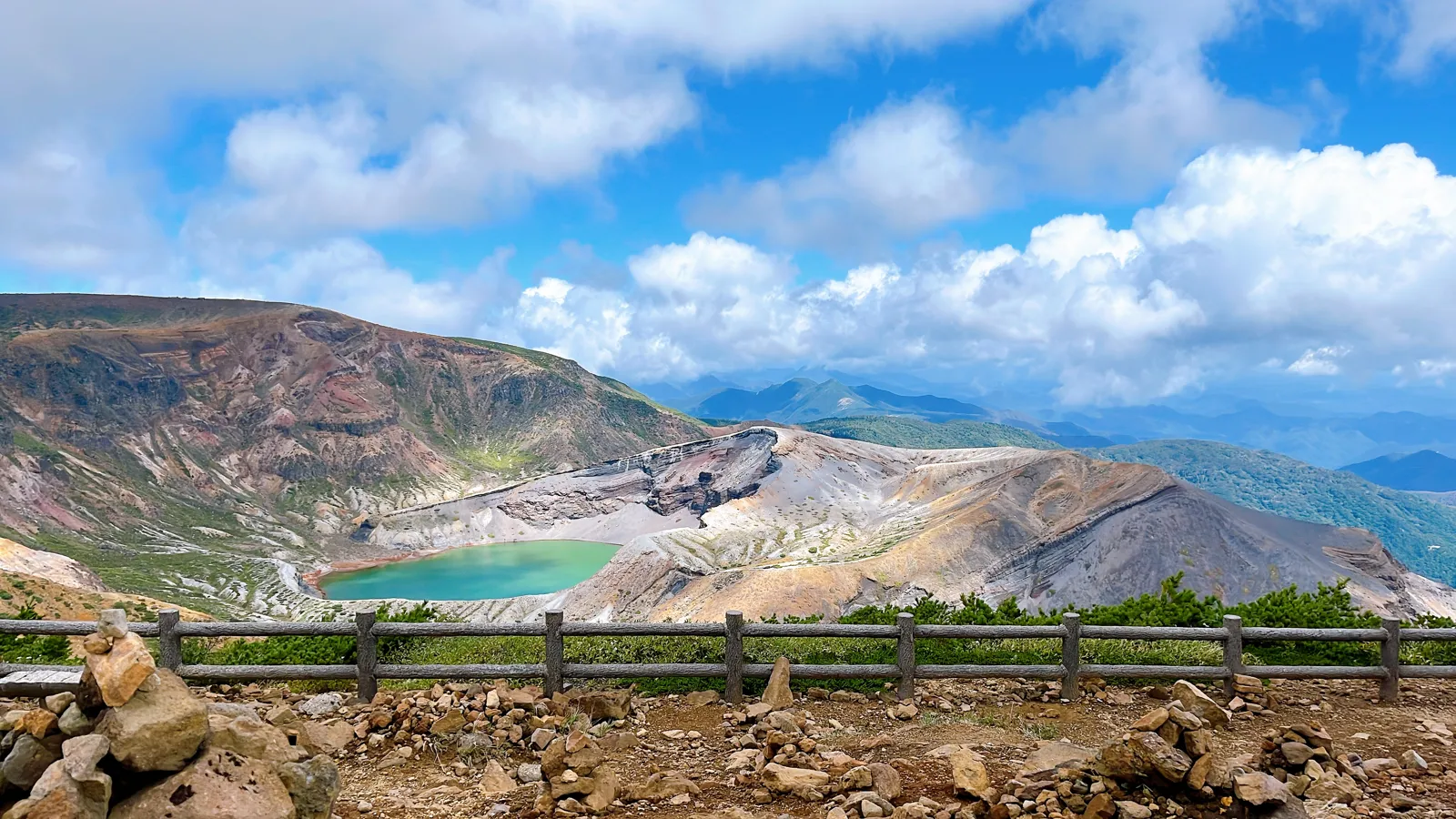
    山形・蔵王の御釜
    Mount Zao, Yamagata

    A shop like "Grandma's house"

    Before Ryukoudo, I was preparing under the name "Obaa-nu-yaa."
    It means "Grandma's house."

    The name has changed, but a shop and a taste that feel as comforting as Grandma's house —
    that wish carries on in Ryukoudo.

    Ryukoudo is currently preparing to open.
    We'll announce the start of sales on Instagram (@ryukoudo).

  • 88回の試作のこと

    About our 88 test batches

    Ryukoudo's sata andagi took 88 test batches to create.
    For about two months, almost every morning and evening, I fried, tasted, and tried again.

    Above all, truly delicious

    What I aimed for was something truly delicious.
    Crisp outside, fluffy inside.
    To keep it from being oily or dry, I changed the oil and the way of frying again and again.

    The sweetness, too — not too strong, but never lacking.
    I kept adjusting the balance of texture and sweetness until I was satisfied.

    What people who tasted it said

    People who tried the test batches shared words like these.

    "Crisp outside, fluffy inside"
    "Just the right sweetness — superb"
    "My child, who doesn't eat sweets, asked for seconds"

    Every one of them made me happy.

    Two flavors: plain and brown sugar

    Right now I am planning two flavors: the classic "plain," and "brown sugar" for a different taste.
    Details such as price, quantity, and ingredients will be shared when sales begin.

    We'll announce the start of sales on Instagram (@ryukoudo).

  • サーターアンダギーは、なぜ日持ちするの?

    Why does sata andagi keep well?

    Sata andagi is a popular souvenir from Okinawa.
    You may have heard people say, “It keeps well, so it makes a perfect gift.”

    So why does sata andagi keep so well?
    There are two main reasons: frying and sugar.

    Reason 1: Frying reduces the moisture in the dough

    Deep frying uses hot oil to heat food quickly, drawing water out of the food and letting it absorb oil instead.
    Sata andagi is made by slowly frying a dough of flour, eggs, and sugar.

    Microorganisms such as mold and bacteria cannot grow without water.
    When frying reduces the moisture in the dough, the sweets spoil less easily.

    Reason 2: Sugar holds on to water

    “Sata” in sata andagi means sugar in the Okinawan language.
    As the name suggests, the dough contains plenty of sugar.

    Sugar has the property of holding on to the water in food.
    Foods made with lots of sugar, such as jam and yokan, spoil less easily because the sugar holds on to the water, making it hard for microorganisms to use. The same works in sata andagi.

    A long-keeping sweet since long ago

    Among Okinawa’s Ryukyu sweets, many are fried or baked sweets that keep well, and they are said to have been essential for celebrations and ceremonies.
    In Okinawa’s hot climate, being able to keep them for a long time must have mattered too.

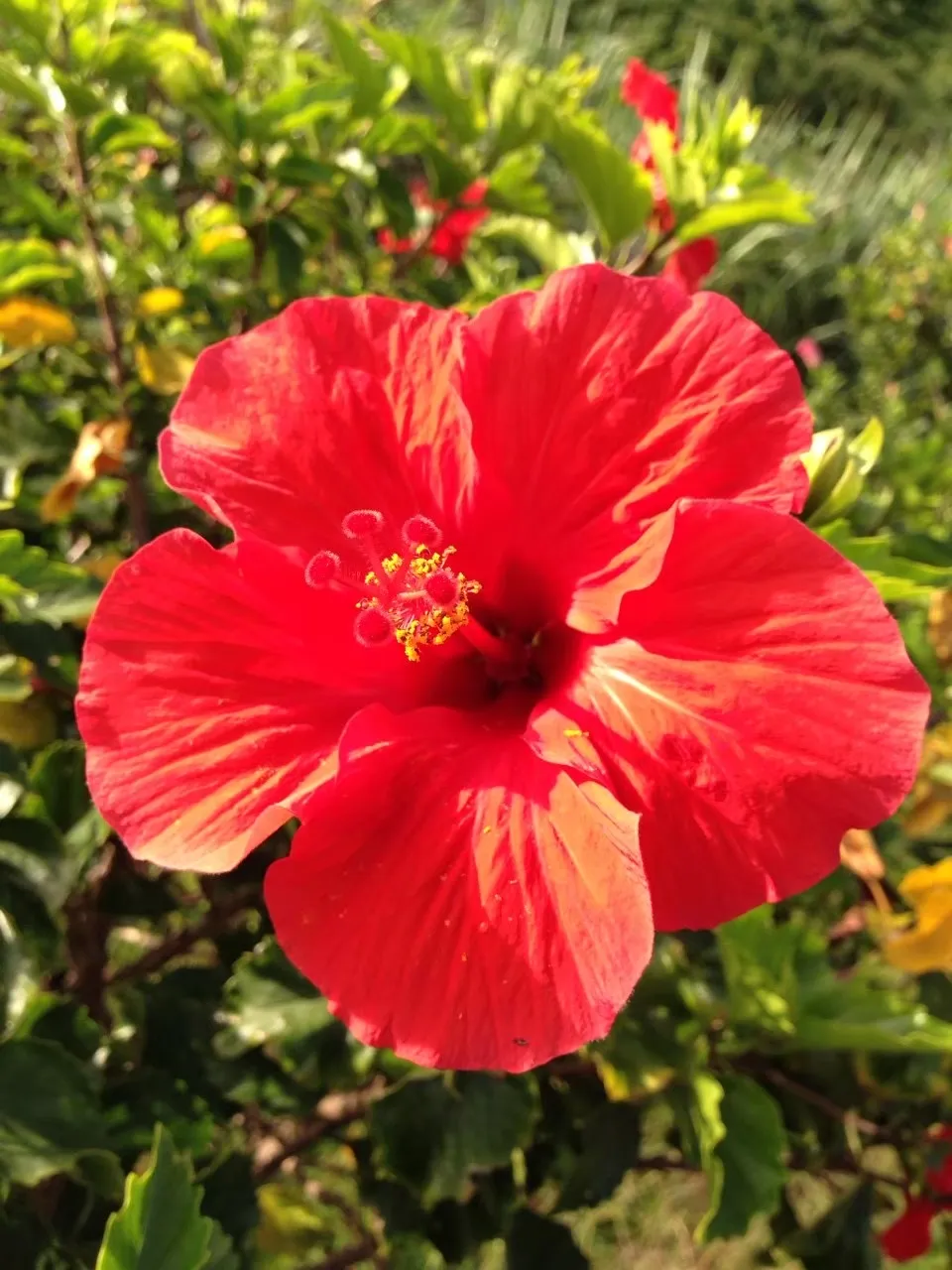
    宮古島に咲くハイビスカス
    Hibiscus on Miyakojima

    Tips for keeping them tasty

    Even though they keep well, there are a few things to watch out for with fried sweets.
    Research on fried snacks such as fried rice crackers names two things that affect quality during storage:

    • Moisture increasing as they absorb humidity
    • The oil deteriorating with heat and air (oxygen)

    So we recommend closing the bag tightly, keeping them in a cool place with low humidity, and enjoying them soon.

    Best-before dates and storage instructions for Ryukoudo’s sata andagi will be provided for each product when sales begin.
    To learn what kind of sweet sata andagi is, including the meaning of its name and its history, see this section.

    References: Agriculture & Livestock Industries Corporation, “The Roles of Sugar in Cooking” / Tokyo Kasei University Research Bulletin No. 37, “On the Exchange of Water and Oil in the Quality of Deep-Fried Foods” / Saitama Industrial Technology Center Research Report Vol. 10, “Establishing an Accelerated Evaluation Method for Storage Tests of Fried Snacks” / Ministry of Agriculture, Forestry and Fisheries, “Uchi no Kyodo Ryori”: Sata Andagi, Okinawa